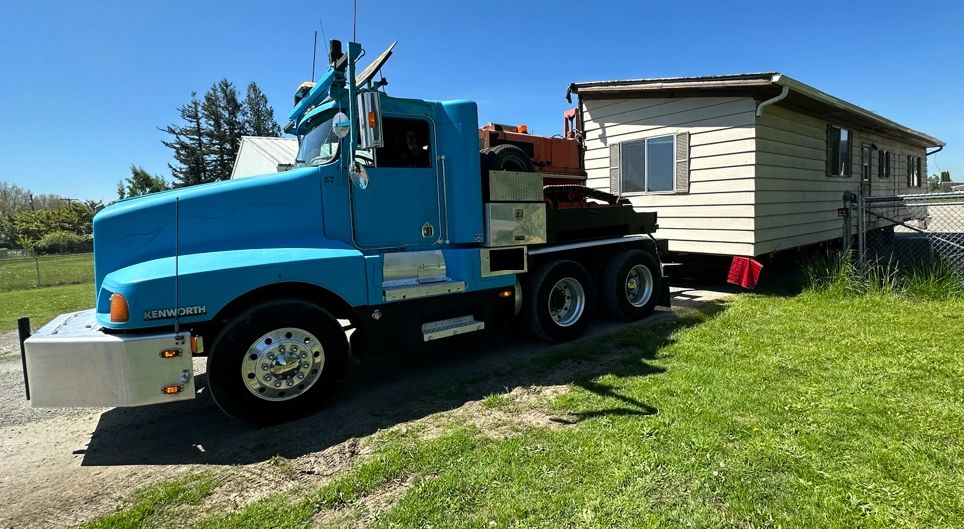
How to Prepare Your Manufactured House for Sale: A Step-byStep Guide
Chapter 1
Introduction
Selling your manufactured home can be an exciting yet daunting process. If you're relocating or downsizing your home, or just ready for a change in lifestyle, it is important to prepare properly to attract buyers and ensure a successful sale. This detailed guide will walk you through every step, from understanding property types to maximising curb appeal. Let's get started!
1. Understanding Your Property Type
Personal Property (Chattel)
If your mobile home is classified as personal property (chattel), that means it's not permanently connected to the land. Here's what you need to know:
Title Transfer: Similar to selling a vehicle, you'll transfer the buyer's title.
Separate Land Ownership - The land is owned separately from the mobile home.
Real Property (Attached to Land)
If your manufactured home is permanently affixed to the land (real property), the process resembles selling a traditional house:
Title and Land Transfer: You'll transfer both the home and land to the buyer.
Foundation: The home is attached to a foundation.
2. Gather Required Documents
Before listing your house, make sure you have the following documents ready:
Transfer of Title: Complete all the steps required to transfer title.
Bill of Sale: Draft a legal document outlining sale details.
Notarized Title transfer: Get the title transferred notarized.
Proof of Paid Taxes: Show that property taxes are up to date.
3. Clean and Declutter
A clean, organized home appeals to potential buyers. Follow these steps.
Interior Cleaning:
Dust surfaces, vacuum carpets, and mop floors.
Clean your windows and mirrors.
Repair minor damages (e.g., loose handles, broken tiles).
Exterior Maintenance:
Trim the bushes and mow your lawn.
Pressure wash siding, deck, and driveway.
Consider a fresh coat of paint if needed.
4. Boost Curb Appeal
First impressions matter! Enhance your home's exterior:
Landscaping:
Trim back overgrown plants.
Plant colorful flowers.
Pave your walkways using stepping stones or gravel.
Exterior Upgrades:
Repair or replace damaged siding.
Upgrade the front door and hardware.
Install outdoor lighting.
5. Write an Engaging Description
Craft a compelling listing description to attract potential buyers:
Highlights:
Mention the square footage, bedrooms and bathrooms.
Describe any recent upgrades (e.g., new appliances, flooring).
Emphasize unique selling points (e.g., spacious deck, energy-efficient windows).
Amenities for the Community
Include nearby amenities (schools, parks, shopping centers).
Highlight the neighborhood's appeal.
High-Quality Photos:
Capture well-lit, clear images of each room.
Showcase outdoor spaces and curb appeal.
6. Consider an Open House
Hosting an open house allows buyers to experience your home firsthand:
Schedule: Select a date and time that is convenient for you.
Promotion: Advertise through online platforms, local newspapers, and social media.
Prepare: Clean thoroughly, set up refreshments, and provide information packets.
By following these steps, you'll be well-prepared to sell your manufactured home. Remember to work with an experienced agent. They'll guide you and help you reach a successful sale.
Chapter 2
Avoiding common pitfalls can help you avoid a difficult sale. Here are some key points to keep in mind:
Let's delve even deeper into the sell your mobile home pitfalls to be aware of when selling your manufactured home. By understanding these potential challenges, you'll be better equipped to navigate the mobile home selling process successfully.
1. Skipping Inspection and Appraisal
Inspection Matters
Before listing your manufactured home, invest in a professional inspection. Here's why:
Identify Hidden Issues. An inspector will examine every corner and crevice to reveal any hidden issues. Their trained eye will catch anything you might miss, from faulty wiring to leaky roofs.
Prioritize Repairs - Armed with an inspection report, determine the repairs that are most important. Fixing minor issues now can prevent major headaches during negotiations.
The Power of Appraisal
An appraisal isn't just a formality--it's a critical step:
Objective Valuation: An appraiser assesses your home's value objectively. They take into account factors such as square footage, location, condition, and recent sales comparable properties.
Setting the right price: Pricing your home too low can leave money on the table, while pricing it too high can discourage buyers. A home appraisal can help you find the sweet spot.
2. Neglecting Marketing
Create a Comprehensive Business Plan
Don't assume buyers will magically appear. Develop a robust marketing strategy:
Know Your Audience. Understand who you are selling to. Are they first time homeowners, retired people, or investors? Tailor your marketing accordingly.
Online Listings: Leverage online platforms like MHVillage, Zillow, and Realtor.com. It is essential to have high-quality photos with detailed descriptions.
Social Media: Use social channels to showcase your home. Share posts, create virtual tours, and engage with interested parties.
Local Advertising: Don’t forget the traditional methods - local newspapers, flyers and community bulletin board.
Highlight the Strengths of Your Manufactured House
Unique Features: Does the manufactured home you are considering have a cozy fire place, a large deck, or energy efficient upgrades? Highlight these in your marketing materials.
Neighborhood Amenities: Mention nearby parks, schools, shopping centers, and public transportation. Buyers look at the entire package.
3. Ignoring Curb Appeal
First Impressions Last
Curb appeal sets the tone for potential buyers:
Landscaping: Trim overgrown bushes, mow the lawn, and plant colorful flowers. A well-maintained outside invites curiosity.
Front Door: Re-paint the front door, if necessary. It's your gateway to the home.
Outdoor Lighting: Illuminate pathways, entryways and other areas. Evening showings matter too.
4. Incomplete Disclosure
Honesty Builds Trust
Full Disclosure: Be transparent about your home's history. Disclosure: Be transparent about any issues, repairs or renovations.
Documentation: Keep records of all repairs, warranties, and maintenance. Buyers appreciate thoroughness.
5. Balance Negotiations
Know Your Bottom Line
Negotiation is a good thing, but don't accept less than the value of your home.
Set a Minimum: Determine your bottom line--the lowest price you'll accept. Stick to it during negotiations.
Selling your manufactured home involves more than just listing it. By addressing these pitfalls, you'll be better prepared for a successful sale. Remember, honesty, preparation, and a strategic approach are your allies.
Chapter 3
Mastering Manufactured Home Staging: Strategies for a Successful Sale
Let's explore the art of home staging, a critical step in maximizing the appeal of your manufactured home to potential buyers. By thoughtfully arranging and enhancing your space, you'll create an inviting atmosphere that resonates with those seeking their next home.
1. Make a good first impression
The Entryway
Create an inviting entrance to welcome guests. Plants in pots or fresh flowers can be placed near the front door. A small rug will add warmth and charm.
Curb Appeal: Impress buyers before they step inside. Consider these curb appeal tips:
Pressure Wash Siding: Remove dirt and grime.
Paint the Front Door: Choose a welcoming color.
Upgrade House Numbers and Lighting: These small changes make a big impact.
2. Remove Personal Items
Declutter and Depersonalize
Clear the Clutter: Buyers want to envision themselves in the space. Remove personal items, such as photos and trinkets.
Deep Clean: A clean home makes a good impression. Pay attention to bathrooms, kitchens, and floors.
3. Focus on Key Areas
Living Room
Furniture Arrangement: Arrange the furniture to create flow. Create a focal point, such as a fireplace or a well-styled bookshelf.
Warm Lighting: Replace harsh bulbs by warm, inviting lighting.
Decorative pillows: Add a touch comfort to your sofas and chairs with decorative pillows.
Kitchen
Update Appliances or Hardware: If possible, update appliances or replace cabinet hardware.
Clear Countertops: Keep countertops clutter-free. Showcase a clean, functional kitchen space.
Bedrooms
Serene and Minimal - Create a peaceful, relaxing atmosphere in your bedroom. Invest in luxurious bedding and declutter surfaces.
Neutral Colors: Use neutral colors to appeal to a wider audience.
Outdoor Spaces
Spruce Up Patios and Decks: Highlight their potential for relaxation and entertainment.
Gardens and Landscaping: Trim bushes, plant colorful flowers, and maintain outdoor areas.
4. Nail the finishing touches
Lighting Matters
Warm and flattering: Opt to warm lighting throughout your home. Replace harsh fluorescent bulbs if needed.
Neutral Color Palette
Paint Choices: Neutral colors create a blank canvas for buyers. They can envision their own style.
Fresh Scents
Natural Scents: Avoid strong odors. Use fresh flowers, scented candle, or natural air-fresheners.
5. Stay Calm and Flexible
Patience: Negotiations take time. Avoid being hurried or showing frustration.
Flexibility: Be flexible and open to new ideas. The buyer may need a longer closing date or specific repairs.
6. Handling Counteroffers
Consider the buyer's perspective when evaluating each counteroffer. Is it reasonable to you? Can you reach a compromise?
Avoid impulsive reactions. Discuss counteroffers with your real estate agent.
Staging your manufactured home effectively is an investment that pays off. It's not just about your personal style, but about creating an environment that appeals to potential buyers.
Chapter 4
Mastering the Art of Negotiation: Tips for Sellers
Let's dive into negotiating with buyers when selling a manufactured home. Effective negotiation skills can make a significant difference in achieving a successful sale. Here's a guide to help you through this crucial phase.
1. Be Prepared
Research and Knowledge
Prepare yourself with the following information before engaging with potential buyers:
Market research: Understand the local market conditions. What are similar homes selling for? Prices trending up or downward?
Your Home's Value: Know your home's worth. Consider factors such as square footage, upgrades and location.
Know Your Bottom Line
Financial Boundaries: Determine the lowest price you're willing to accept. Be realistic in your financial goals and needs.
2. Focus on Emotions
Build Trust and Rapport
Listen Actively: Understand the buyer's needs and motivations. What do they want in a house?
Transparency: Be honest with yourself about the strengths and limitations of your home. Trust is essential in negotiations.
Confidence is important
Believe in your property: Buyers respond positively when sellers exude confidence. Highlight the unique features of your mobile home.
3. Master Influence Techniques
The Art of Persuasion
Arguments logical: Give compelling reasons for why your home is the right choice. Highlight features, recent upgrades, and unique selling points.
Overcoming Price Concerns:
Value Proposition: Describe how the features of your home justify the asking price.
Comparables: Share recent data on similar mobile homes in order to justify your price.
Negotiation Tactics
Anchoring: Begin negotiations with a reasonable, but slightly higher price. It sets a reference point for further discussions.
Concessions: Be prepared to compromise. Consider non-price concessions (e.g., including appliances or covering closing costs).
4. Stay Calm and Flexible
Negotiations are a long process. Avoid rushing or showing frustration.
Flexibility: Be open to creative solutions. The buyer may need a longer closing date or specific repairs.
5. Handling Counteroffers
Evaluate Each Counteroffer: Consider the buyer's position. Is it reasonable to you? Can you meet in the middle?
Respond Thoughtfully: Avoid reflex reactions. Take time to assess and discuss with your real estate agent if necessary. Remember it isn't personal. Negotiations are just that: talking about a desired result and finding a common middle ground.
Negotiating with potential buyers requires a delicate balance of logic, emotion, and flexibility. Remember that successful negotiations benefit https://moveamobile.com/contact-us both parties. Stay positive, communicate honestly, and trust in the process.
Chapter 5
Navigating Real Estate Transactions: Avoiding Common Mistakes
Let's delve into the common mistakes that can occur during real estate transactions. Whether you're buying or selling a property, avoiding these pitfalls is essential for a smooth and successful process.
1. You can get bad advice
The Pitfall
Relying on advice from well-meaning friends, family, or outdated sources can lead you astray. Real estate markets are dynamic, and what worked a decade ago may not apply today.
The Solution
Hire a Knowledgeable Professional: Seek professional guidance from a local professional. Their knowledge of the current market conditions, price trends, and legal requirements are invaluable.
Stay informed: Educate yourself on the process. Attend seminars, read reputable articles, and understand the nuances of real estate transactions.
2. Failure to conduct proper due diligence
The Pitfall
Avoiding due diligence could lead to unpleasant surprises. Unreported liens, zoning issues, or environmental concerns can cause a transaction to fall through.
The Solution
Research the Property Thoroughly:
Title Search: Ensure there are no outstanding liens or ownership disputes.
Survey the Land: Understand property boundaries and any encroachments.
Environmental Checks: Investigate potential hazards (e.g., flood zones, soil contamination).
3. Ignoring Legal and Regulatory Requirements
The Pitfall
Overlooking legal obligations can lead to costly consequences. Contracts, disclosures and local laws need to be adhered to.
The Solution
Consult Legal Professionals : Hire a professional who will review contracts and ensure compliance.
Know Your Obligations: Understand your responsibilities as a buyer or seller. Disclose material facts honestly.
4. Overlooking Hidden Costs
The Pitfall
Focusing solely on the purchase price without considering other expenses can strain your budget.
The Solution
Budget Holistically:
Closing costs: Include fees such as title insurance, appraisals, and escrow.
Maintenance and Repairs: Factor in ongoing costs for upkeep.
Property Taxes and Insurance: Understand the long-term financial commitment.
5. Failing to Negotiate Effectively
The Pitfall
Accepting terms before negotiating can have a negative impact on the final deal. Negotiation is an art.
The Solution
Know Your Priorities:
Price: Understand your minimum acceptable price.
Other Terms: Consider contingencies and closing dates.
Communication Clearly: Be open, but assertive in negotiations.
6. Relying on Verbal Agreements
The Pitfall
Verbal agreements in real estate are rarely enforced. Always get everything in writing.
The Solution
Document Everything:
Contracts: Use written contracts for all agreements.
Addendums: Include any additional terms or changes.
Emails: Confirm important discussions via email.
Real estate transactions are a complex process that involves both financial and emotional risks. To avoid these common mistakes, you need to be diligent, have professional guidance and communicate clearly. Whether you're a buyer or seller, stay informed, and navigate the process with confidence.
The closing phase is the culmination of a major decision. As you finalize the deal, remember to stay organized, communicate openly with your real estate agent, and be prepared for any last-minute adjustments. Closing the sale successfully is about handing the keys over to the new owner, and celebrating your journey in this cozy mobile home. Best wishes on your mobile home-selling adventure!
Disclaimer: The information provided in this article is for general guidance only. For personalized advice, consult with legal and real estate professionals.